THE WORD TYKE
A dog first
Dictionaries trace tyke to Old Norse tík, a female dog. In English it came to mean a mongrel, a cheeky child, and a person from Yorkshire.
How tyke changed
 doodletike
WORDS IN PLAIN ENGLISH
TYKE from Old Norse tík
A tyke can be a dog, a cheeky child or a Yorkshireman.
The word came into English from Old Norse, like many words still heard across Yorkshire. The Yorkshire Dialect Society, founded in 1897, records many of them, along with the old sound line that splits the county's speech in two.
Updated
Test a wordTHE SHORT ANSWER
Yorkshire speech carries layers of history.
Many everyday words are older than Standard English forms.
THE WORD TYKE
Dictionaries trace tyke to Old Norse tík, a female dog. In English it came to mean a mongrel, a cheeky child, and a person from Yorkshire.
How tyke changedEVERYDAY WORDS
The Yorkshire Dialect Society lists words still in use, such as mash (to brew tea), laik (to play) and nithered (shivering with cold).
Test a wordONE COUNTY, TWO SPEECHES
Linguists drew a line across the county separating Midland dialects in the south and west from truly Northern ones in the north and east.
See the numbersWHERE DOES THE WORD COME FROM?
Pick a word to see what it means and where it came from. The bar shows how strongly its roots lie in Old Norse rather than Old English.
Meanings and origins from the Yorkshire Dialect Society's word recognition list. Usage varies across the county.
TWO DATES WORTH KNOWING
One date for the word tyke in English,
one for the society that records the dialect.
1350–1400
When tyke entered English
Dictionary entries date the word to Middle English, borrowed from Old Norse tík. 'Yorkshire tyke' as a name for a person from the county is recorded in a dictionary of 1699.
TYKE · DICTIONARY.COM / COLLINS
1897
Year Britain's oldest surviving dialect society began
The society grew out of a committee formed by Professor Joseph Wright to collect Yorkshire material for the English Dialect Dictionary.
RECORDING · YORKSHIRE DIALECT SOCIETY
The society notes that Yorkshire, even after the 1974 boundary changes, is still England's biggest county, so there is no single Yorkshire dialect.
FOUR THINGS TO LISTEN FOR
These features come from the Yorkshire Dialect Society's notes on how the county's speech varies.
Traditionally skoo-il or skoil to the south and west, skeel or skale to the north and east.
In the West Riding, the o in hole can become oi, so a coal hole becomes a coil 'oil.
Farming terms survive in the North and East Ridings; mining, steel and textile terms in the West.
Pockets of rhoticity, a clearly pronounced r after vowels, survive in parts of Yorkshire.
HOW TYKE CHANGED

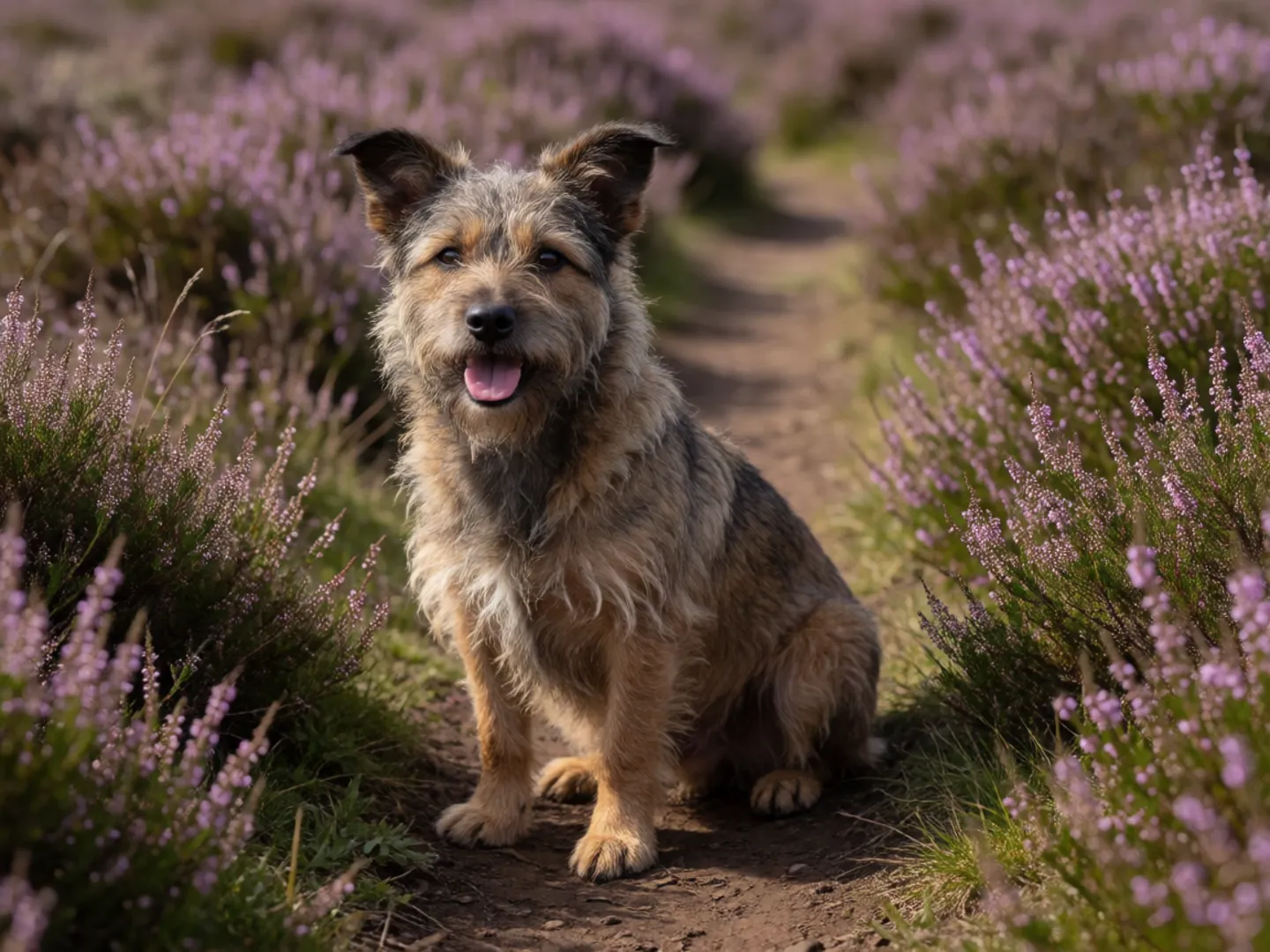
The English word tyke first meant a dog, especially a mongrel, and was also used of a coarse man. Because it was said in playful reproof to children, it came to mean a small, cheeky child as well.
Calling people from Yorkshire tykes may have come from the word being common there for a dog. Early uses were not always kind, but Yorkshire people have since come to adopt it as a name for themselves.
Questions
Dictionaries give three senses: a dog, especially a mongrel; a small or cheeky child; and, as Yorkshire tyke, a person from Yorkshire. Dictionaries also give the spelling tike.
It comes from Old Norse tík, a female dog, and entered English in the Middle English period, dated by dictionaries to 1350–1400.
No. The Yorkshire Dialect Society says the county has a variety of speech patterns, and the 'Yorkshire' most people imagine is the dialect of the industrial West Riding.
Vikings settled in large numbers in northern and eastern England, and new settlers bring words and grammar that locals adopt. The North and East Ridings show a stronger Scandinavian influence.
The Yorkshire Dialect Society's view is that dialect is not disappearing but is always changing. Some old vowel patterns survive mainly among older speakers in the Dales, Moors and Wolds.
Sources
ABOUT THIS NAME
doodletike.com is part of the DoodleSale portfolio. It isn't in an auction right now, but you can ask about leasing it.